
Food Pairing
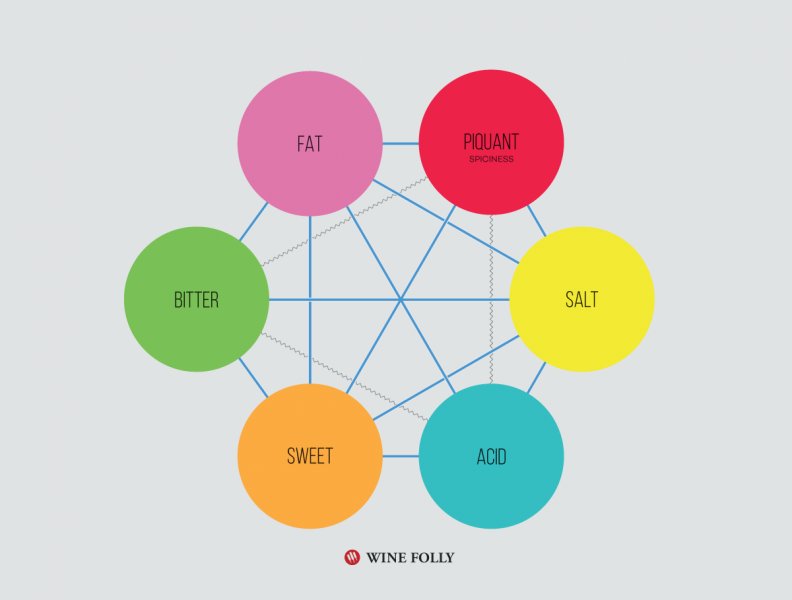 | Food pairing with Portuguese wines: let the region lead The essence of food pairing is combining food and wine that share the same key flavour components. Taste, aroma, texture, intensity and temperature all play a role. Flavours come together in two ways: congruently — where shared characteristics reinforce each other, or complementarily, where opposites create balance. In Portugal, this interplay is particularly tangible: the cuisine and the wines have been aligned by centuries of tradition. Congruent versus complementary Congruent pairings share many common characteristics that combine and intensify one another. Complementary pairings balance each other out and create a unique harmony. It sounds straightforward, but applying it well requires some understanding of both the dish and the wine. A congruent pairing for mac & cheese would be a creamy Chardonnay: the richness of the wine amplifies the creaminess of the dish. A complementary pairing would be that same mac & cheese with a crisp Pinot Grigio, where the wine's high acidity cuts through the fat and restores balance. Food and wine each carry their own dominant elements. In food, these are fat, spice and salt. In wine, acidity, sweetness and bitterness take the lead. Complementary pairings put those opposing forces to work. Rich, fatty dishes pair well with high-acid wines that cleanse the palate and make every bite taste as fresh as the first. |
Getting started
A good pairing begins with choosing a flavour strategy: sweet with salty, rich with acidic, sweet with spicy. From there, you play with subtle congruent or complementary nuances. White, sparkling and rosé wines more often lead to complementary pairings; red wines more often create congruent ones. And when in doubt? Rule number one: if you're unsure, reach for Espumante. The lively bubbles and bright acidity of a Bairrada Espumante make it a versatile companion for almost any dish — from seafood to cheese to a light antipasto. It may be the most underrated tip in the wine world, yet one of the most reliable.
Food pairing is ultimately not an exact science, but a interplay of logic, experience and curiosity. Master the basic principles and you've already won most of the battle — all that's left is the delicious part: experimenting.
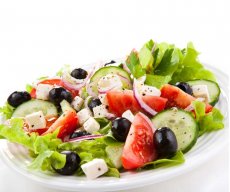 Salad
Salad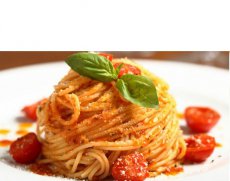 Pasta, Pizza & BBQ
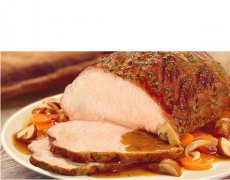 Meat dishes
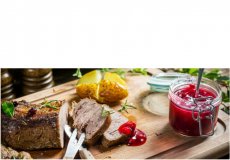 Game
Game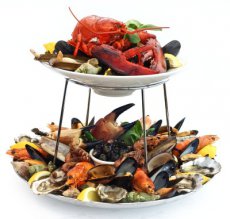 Seafood
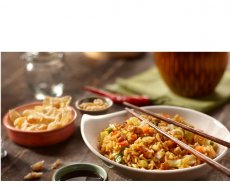 Asian Cuisine
 Chocolate dessert
 Ice cream and fruit dessert
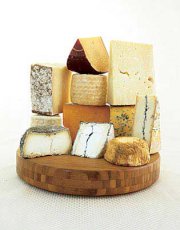 Cheese board
Vinho Verde with fish and seafood
The Portuguese kitchen relies heavily on fresh ingredients: tomatoes, garlic, coriander, pulses and olive oil form the backbone, while fish, squid, octopus and shellfish are ever-present. For these light, briny dishes, Vinho Verde is the natural companion. The wines from the Minho are best enjoyed young, when their aromatics and crisp acidity are at their peak. They are ideal alongside salads, fish and vegetable dishes. A classic example: grilled sardines fresh off the barbecue with a chilled Vinho Verde is a complementary pairing where the bright acidity cuts through the fat of the fish and cleanses the palate.
Bacalhau, a flexible icon
Bacalhau, the salted and dried codfish, is Portugal's most iconic dish, with reportedly more than 365 ways to prepare it. A dry white wine with enough body and good acidity is generally the best match, and a Portuguese white is always a safe recommendation. That said, the preparation makes all the difference: red wine is also a firm favourite with bacalhau, and squid cooked in red wine sauce pairs equally well with a red. A light, fresh Dão or a young Bairrada red can turn out to be a surprisingly rewarding partner.
Baga with meat and game
The boldest pairings call for the boldest wines. The classic reds of Bairrada and the Douro carry the most tannin, making them the natural choice for game, offal and slow-cooked stews. The Baga grape from Bairrada is the definitive wine for leitão. The roasted suckling pig that is the culinary pride of the region. A perfect Leitão à Bairrada comes with crackling skin, served with fresh orange slices and accompanied by sparkling wine from the Bairrada region. Pouring the Espumante as an aperitif and the aged Baga with the meat is textbook food pairing, as the bubbles cleanse the palate, while the tannins of the Baga embrace the fat and umami of the roasted meat.
Alentejo with stews and grilled meat
In the Alentejo, sun-drenched rolling hills produce softer, more approachable red wines, warm and generous, with notes of plum, vanilla and a hint of spice. Perfect alongside a roasted cut of meat or a slow-cooked stew. The Alentejo kitchen, with its rich casseroles, cheeses and generous use of herbs like coriander and garlic, aligns seamlessly with the versatility of the region's wines. Porco à Alentejana (pork with clams) is a fine example of a dish that works equally well with a lighter red or a full-bodied white Alentejo.
Porto at the table: so much more than a digestif
Porto is one of the most versatile wines at the table, yet it is still too often reduced to a small glass after dessert. Port and Madeira are among the most adaptable wines you can place on a dinner table — and that holds true throughout the entire meal, from aperitif to cheese.
Lágrima, the sweetest of all ports
Lágrima Port is an exceptional style of port, celebrated for its sweetness, depth and intensity. The term Lágrima, meaning "tears" in Portuguese, refers to the wine's syrupy nature and the slow, tear-like streams it leaves along the side of the glass when swirled. There are two variants. Lágrima White Port is made from white grape varieties such as Malvasia Fina, Viosinho, Gouveio and Rabigato, and is known for its intense sweetness and aromatic complexity. Initial impressions of ripe fruit and honey give way to notes of caramel, toasted almonds and dried fruit. Lágrima Ruby Port, on the other hand, is made from red varieties including Tinta Cão, Tinta Roriz and Tinta Barroca. It is the sweetest of all port styles, with a fresh and vibrant aroma of cherries, red berries, raspberries and a hint of citrus, and a velvety texture with silky tannins. Both ports can be enjoyed on their own or paired with foie gras, a grilled squid salad with vinaigrette, blue cheeses, cheesecake or Tarte Tatin — a perfect illustration of port's power as a table wine, where the balance of sweetness and acidity makes it equally at home with savoury and sweet combinations.
Porto as an aperitif
The aperitif is one of the most underrated uses for port. A chilled white port — light, nutty, with citrus and honey — opens a meal with elegance and pairs beautifully with olives, almonds or light fish-based bites. White port over ice with tonic has also become a popular summer aperitif in Portugal, one that is steadily winning fans well beyond the country's borders.
Ruby and Tawny with dessert
With chocolate, a ripe Ruby or LBV is the classic choice. The fruity intensity of the port mirrors and amplifies the bitterness of dark chocolate — a congruent pairing in its purest form. Ruby is also an excellent companion to fresh, young cheeses. Tawny port, with its oxidative notes of dried fruit, nuts and caramel, pairs beautifully with crème brûlée, walnut cake or aged cheeses such as Comté or Manchego. Vintage port, meanwhile, is the definitive match for blue cheeses. What about a Rosé port with white chocolate? Absolutely delicious !
Porto deserves a permanent place throughout the full meal — not merely as a closing note, but as a thread woven through the entire menu.